
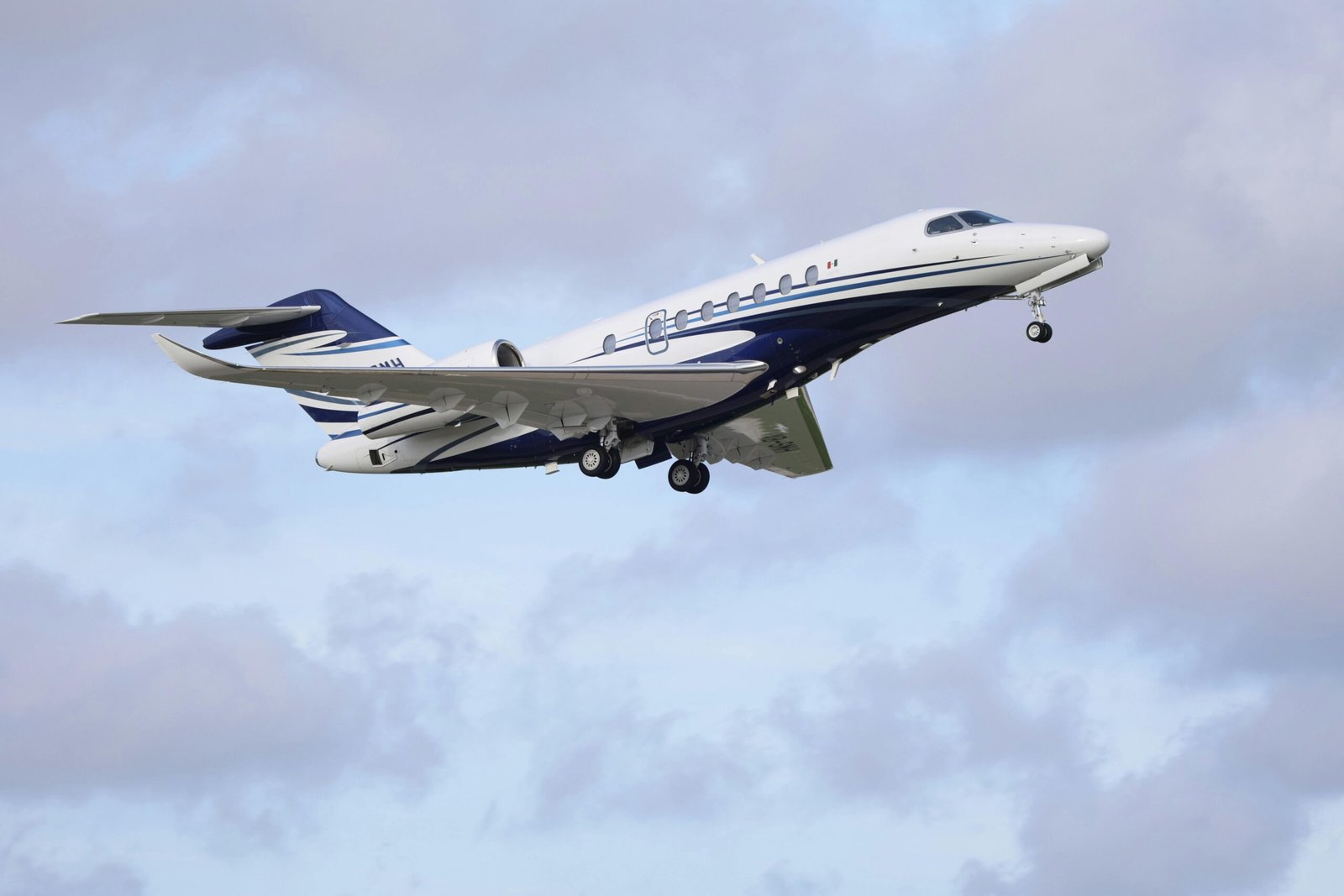
Flying private can make traveling with jewelry and luxury watches feel dramatically easier—less noise, fewer crowds, and more control over timing and environment. In my experience, that’s the real advantage: privacy and reduced friction, not “fewer rules.”
If you’re carrying high-value pieces—whether for a client delivery, an event, or personal travel—the safest approach is to treat the trip like a mini-operation: plan, document, pack properly, stay discreet, and make sure you’re insured.
This guide lays out practical, non-paranoid protocols you can actually follow—without sharing anything that would help bad actors.
What Changes (and What Doesn’t) When You Fly Private with Jewelry
Private aviation can reduce exposure to chaotic, mass processing environments. You may use executive terminals (FBOs), avoid long lines, and keep the experience calmer and more controlled.
What changes
- Less crowd exposure and fewer “public” moments
- More predictable handling of your own belongings
- Greater flexibility in timing and routing
- A calmer experience that reduces stress (and careless mistakes)
What doesn’t change
- Risk still exists: loss, damage, and insurance gaps are still possible
- Customs and legal obligations still apply on international travel
- Your best protection is still your protocol, not the aircraft
One thing I always emphasize: the win is that you can be more organized and discreet—not that you can ignore compliance.
Pre-Flight Protocol (This Is 80% of the Safety)
If you do the pre-flight work, the rest becomes simple.
Choose the right pieces for the trip
Less is safer. If you don’t need it, don’t bring it. When you travel with fewer pieces:
- packing is easier,
- inventory is clearer,
- and the chance of accidental loss drops.
Create a “quick inventory” (fast, not obsessive)
Before leaving:
- Take clear photos of each piece (front/back where applicable)
- Write a short description (brand/model/metal/stone type)
- Note estimated value (or reference paperwork)
This is mainly for two reasons: insurance and proof if a dispute arises.
Bring the minimum viable documentation
For high-value jewelry and watches, I recommend traveling with:
- Invoices/receipts (when available)
- Certificates of authenticity (especially for high-value items)
- A recent valuation/appraisal if the piece is insured or exceptionally valuable
In my experience, having coherent documentation reduces stress when questions arise—especially across borders.
Packing and Carry-On Transport Protocol
This is the rule I never break:
The golden rule: carry-on only—never checked baggage
Jewelry and luxury watches should stay with you at all times. In my experience, most preventable losses happen when people get casual and let valuables out of their control.
Use a proper organizer case (not improvised packaging)
A good travel case should have:
- Padded compartments
- Separation to prevent scratches and tangles
- A structure that keeps pieces from shifting
For delicate pieces, I’ve also used small individual bags inside the organizer as an extra buffer against friction and micro-scratches (simple, low-tech, effective).
Watches: protect against impact and abrasion
The goal is to prevent:
- impacts (drops, knocks),
- abrasion (metal-on-metal scratches),
- and unnecessary pressure on clasps or crowns.
A dedicated watch roll or padded slot works well. Keep it simple and consistent.
Discretion, Without Paranoia
Discretion is a protocol, not a vibe.
Behaviors that reduce exposure
- Avoid discussing valuable items in public areas
- Keep cases and handling low-key
- Don’t open organizers casually in shared spaces
The goal isn’t secrecy for secrecy’s sake—it’s minimizing attention.
Coordinating with the operator/FBO the smart way
If you need special handling, you can communicate it professionally and discreetly:
- focus on “personal valuables” rather than describing details,
- request a calm, private environment if needed,
- keep communications limited to essential parties.
In my experience, the best approach is calm professionalism: no drama, no announcements.
Customs and Compliance: How to Travel With Peace of Mind
If you want to be truly relaxed, don’t rely on luck—rely on compliance.
When declarations matter
If you’re traveling internationally with high-value items, be prepared to:
- show proof of ownership/value when requested,
- and follow any applicable declaration requirements.
Your documentation makes this smoother. The last thing you want is uncertainty at the border when time is tight.
Consistency beats complexity
The simplest way to reduce friction is:
- carry coherent paperwork,
- keep your story consistent (why you have the items),
- and avoid carrying items you can’t justify or document.
Insurance: Don’t Discover Too Late You Weren’t Covered
Insurance is where people feel “safe” until they read the fine print.
What to check before you fly
If you’re relying on a policy (home, jewelry-specific, travel, or specialty), confirm:
- Coverage limits per item (many policies cap high-value pieces)
- Whether loss and damage are covered in transit
- Key exclusions (e.g., unattended items, certain transport scenarios)
- Claim requirements (documentation, reporting timelines)
If you’re moving very high-value items professionally, you may need specialist coverage. The point is: match coverage to reality.
Travel insurance vs specialized valuables coverage
Many general travel policies:
- cap valuables at low amounts,
- exclude certain categories,
- or require additional riders.
In my experience, “I assumed it was covered” is one of the most expensive sentences in luxury travel.
2-Minute Day-of-Flight Checklist
This is the quick checklist I run before leaving:
- ✅ Pieces selected (only what I need)
- ✅ Photos + notes done (inventory)
- ✅ Paperwork packed (receipts/certificates/valuation if relevant)
- ✅ Organizer case ready (padded compartments, no loose movement)
- ✅ Everything in carry-on (no exceptions)
- ✅ Discretion plan (no casual unpacking in public)
- ✅ Insurance confirmed (limits + exclusions checked)
If something goes wrong
Stay calm and do the basics that protect your claim:
- document what happened,
- keep timelines and details consistent,
- preserve proof of ownership/value.
Conclusion
Flying private can reduce stress and increase control, which is a big deal when you’re traveling with jewelry and luxury watches. In my experience, the best results come from a simple, repeatable system: carry-on only, padded organization, quiet discretion, coherent documentation, and insurance you’ve actually checked.
That’s what makes travel feel secure—not luck, and not the aircraft.
High-Value Asset Logistics FAQ
It can be safer operationally because it reduces chaos and exposure. But safety still depends on your protocol: carry-on, documentation, discretion, and insurance.
No. In my experience, that’s the easiest way to lose control of high-value items.
At minimum: receipts/invoices if available, authenticity certificates for major pieces, and valuations for high-value items—especially if insured.
It depends on route and jurisdiction. If you’re traveling internationally with high-value items, assume you may need to prove ownership/value and follow declaration rules where applicable.
Assuming “private” means “no rules,” or assuming insurance automatically covers everything. The safest travelers are the ones who prepare.

Bespoke Implementation
Compare 50+ providers and 500+ jet card programs in one place.